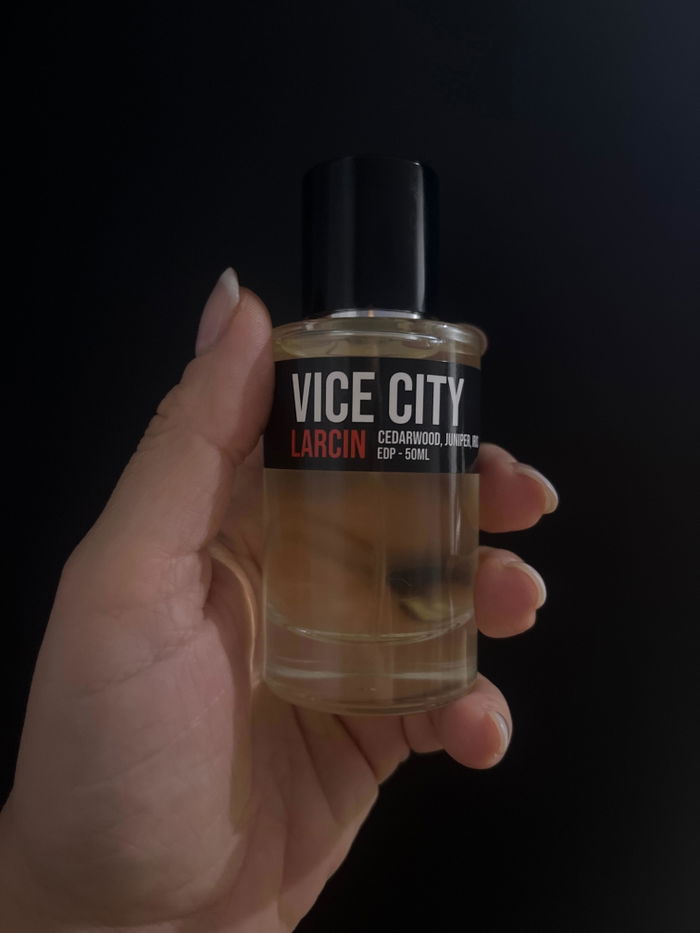
Helios: Inspired by God of Fire by Stephane Humbert Lucas
Helios is Larcin's interpretation of God of Fire, the Stephane Humbert Lucas 777 showpiece that pairs ripe mango with smouldering oud. It follows the same volcanic structure: mango, ginger, lemon and red berries in the opening, coumarin, jasmine and cedarwood through the heart, and musk, amber, oud and nagarmotha in the base. This guide covers the house, the mythology behind the fragrance, its addictive character and how Helios compares.
Stephane Humbert Lucas 777: Perfume as Mysticism
Stephane Humbert Lucas is a French painter turned perfumer with synesthesia, the rare condition where colours evoke scents, and his house 777 channels that gift into opulent, spiritually themed creations inspired by his travels through the Middle East. The name 777 signifies luck, protection and peace, and the house's ornate bottles, styled like jewelled temples, have become collector objects in their own right.
The Story of God of Fire
Released in 2022 and created by Lucas with Vincent Ricord, God of Fire is inspired by Xiuhtecuhtli, the Aztec god of fire, day and light: creator of all life, patron of kings and warriors, crowned in turquoise and wrapped in a turquoise serpent, imagery echoed in the fragrance's spectacular blue-jewelled bottle. The scent embodies the deity's paradox, fresh exotic fruit concealing an intensely warm heart, with an oud core the house describes as burning like a shamanic experience. It became the most hyped release in 777's history and one of the defining mango fragrances of its era.
What Does God of Fire Smell Like?
The opening is pure sunshine: a juicy, almost edible mango brightened by lemon, warmed by ginger and sweetened with red berries, so vivid it borders on drinkable. The heart smooths the fruit into elegance, sweet coumarin and soft jasmine over dry cedarwood. Then the fire beneath reveals itself: smoky oud and earthy nagarmotha glowing through amber and musk, giving the tropical brightness a dark, resinous foundation. The whole composition is dramatic, addictive and instantly recognisable, a fruit-forward crowd-pleaser with genuine niche depth underneath, and some fans place it in the same radiant family as saffron-amber icons like Baccarat Rouge.
The Longevity and Projection of God of Fire
God of Fire performs like its namesake, delivering seven to nine hours on skin with bold projection through the opening hour before settling into an arm's-length trail. The smoky amber-musk drydown lingers longest, often greeting the wearer the next morning from yesterday's shirt.
The Luxury Positioning of God of Fire
God of Fire retails around $365 for a 50ml bottle in Australia. The hand-decorated turquoise bottle is genuinely a piece of art, and a healthy share of the price honours it, along with the house's mystical storytelling and boutique exclusivity.
Helios: A Faithful God of Fire Alternative
Helios burns with the same flame. Mango, ginger, lemon and red berries open bright and juicy, coumarin, jasmine and cedarwood smooth the heart, and musk, amber, oud and nagarmotha smoulder through the long drydown. The character survives intact: tropical fire over sacred smoke, sweetness with a serious foundation. If God of Fire is the mango that ruined all other mangoes for you, Helios keeps the volcano active at a mortal price.
When to Wear Helios
Helios is gloriously versatile: the fruity opening makes it a spring and summer standout, while the oud-amber base keeps it compelling on autumn nights. It is unisex, confident and made for occasions where being noticed is the point: dates, parties, festivals and warm evenings out. A sample size is available on this page if you would like to test the fire on skin first.